Am I a Candidate for Teeth Whitening if I Have Sensitive Teeth?
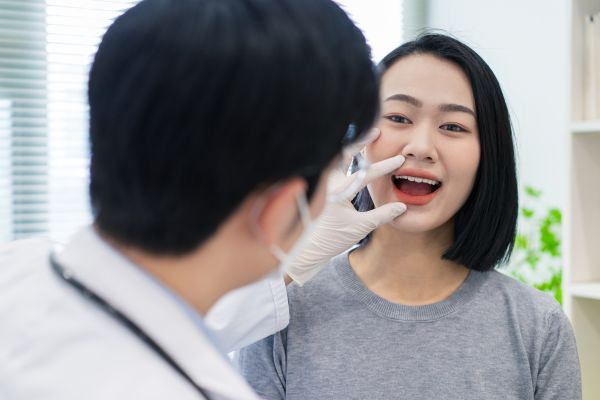
Teeth whitening can be a possible treatment option for patients with sensitive teeth, but a general dentist should first evaluate the cause of the sensitivity. Some patients feel a quick zing when they drink something cold, while others notice lingering discomfort during brushing or chewing. That difference matters because tooth sensitivity can come from several issues, and not all of them should be treated with whitening right away.
What causes sensitivity
Sensitive teeth often react when enamel wears down or gums recede, exposing more of the tooth surface. Enamel is the hard outer layer of the tooth, and it helps protect the inner area where nerves respond to heat, cold, and pressure. Patients may also develop sensitivity from cavities, cracked teeth, worn fillings, or teeth grinding. In those cases, a general dentist usually addresses the underlying problem before starting teeth whitening.
That first exam helps prevent added irritation. Whitening products use active ingredients that break up stains, but they can also increase sensitivity for a short time. If the tooth already has a cavity or a crack, the whitening process may feel more uncomfortable than expected. A dental exam allows the dentist to decide whether teeth whitening makes sense now or if another treatment should come first.
When whitening may still work
Many patients with mild sensitivity can still move forward with teeth whitening. The key is choosing the right approach and adjusting the process to the patient’s needs. A general dentist may suggest a lower-strength whitening product, shorter treatment sessions, or a gradual schedule that gives teeth more time to recover between applications.
Professional supervision can also help. Instead of using strong over-the-counter products without guidance, patients with sensitive teeth may benefit from an exam and a more personalized plan. That plan may include desensitizing toothpaste, fluoride treatment, or custom trays that fit the teeth more precisely. A close fit can help the whitening material stay in place and reduce irritation along the gums.
Signs that a patient may still be a candidate for teeth whitening include:
- Sensitivity that is mild and occasional
- No untreated cavities or cracked teeth
- Healthy gums without major recession
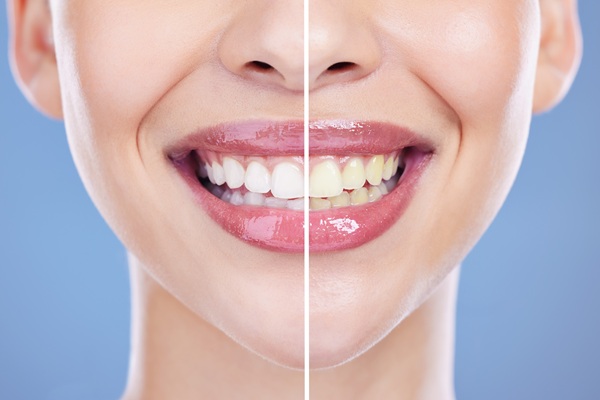
- Realistic goals for shade improvement
- Willingness to follow dental instructions closely
These factors do not guarantee treatment, but they help a general dentist decide whether to proceed with teeth whitening without complications.
How dentists reduce discomfort
A general dentist can recommend several ways to make teeth whitening more comfortable. Patients may start using toothpaste for sensitive teeth about two weeks before treatment. That type of toothpaste helps calm the nerves inside the teeth over time. The dentist may also suggest spacing out whitening sessions instead of doing them on back-to-back days.
Patients should also avoid very hot, very cold, or acidic foods right after treatment if their teeth feel tender. In many cases, the sensitivity fades within a short period. If discomfort continues, the dentist may pause treatment, adjust the whitening plan, or recommend another cosmetic option.
What to do next
The only way to know whether teeth whitening is appropriate for sensitive teeth is to schedule an exam and discuss the cause of the discomfort. A general dentist can check for decay, cracks, gum recession, and other conditions that may affect treatment. When teeth whitening is planned carefully, many patients with mild sensitivity can still brighten their smiles in a controlled, step-by-step way. For more information or to schedule an appointment, call our office.
To schedule a consultation, please request an appointment on our website at https://www.potomacwoodsfamilydentalcare.com or call Potomac Woods Family Dental Care at (301) 202-1553 to arrange an appointment at our Rockville office.
Check out what others are saying about our dental services on Yelp: Teeth Whitening in Rockville, MD.
Related Posts
Choosing the best dentist for your needs can be a hard decision. You deserve a dental team that listens and provides you with the tools you need to maintain your smile. When you feel confident and safe when walking into the dental office, you know your health is in the right hands. Here are five…
Tooth sealants are essential for protecting natural teeth from decay and damage. Dentists apply these thin, protective coatings to the chewing surfaces of your molars and premolars. While tooth sealants are particularly effective for children and teenagers, they can also benefit adult patients seeking extra protection against tooth decay. By providing an additional layer of…
All-on-4® dental implants provide a sturdy and efficient way to replace a full arch of missing teeth. However, long-term results depend on careful planning and consistent maintenance. Reading up on the most common issues with this restoration can help you avoid them. That way, you can get a full, beautiful smile that lasts with all-on-4.All-on-4…
Waiting until a toothache or other oral health problem is unbearable to seek care often means missing out on the least painful, most cost-effective treatment. A preventive dentist can both catch and treat issues early. And in the best cases, they can stop them from developing in the first place. With the help of these…